Knowing it and doing it are two different skills.
The course gave you the framework, the concepts, the language, and the method – the technical analysis foundation everything else is built on.
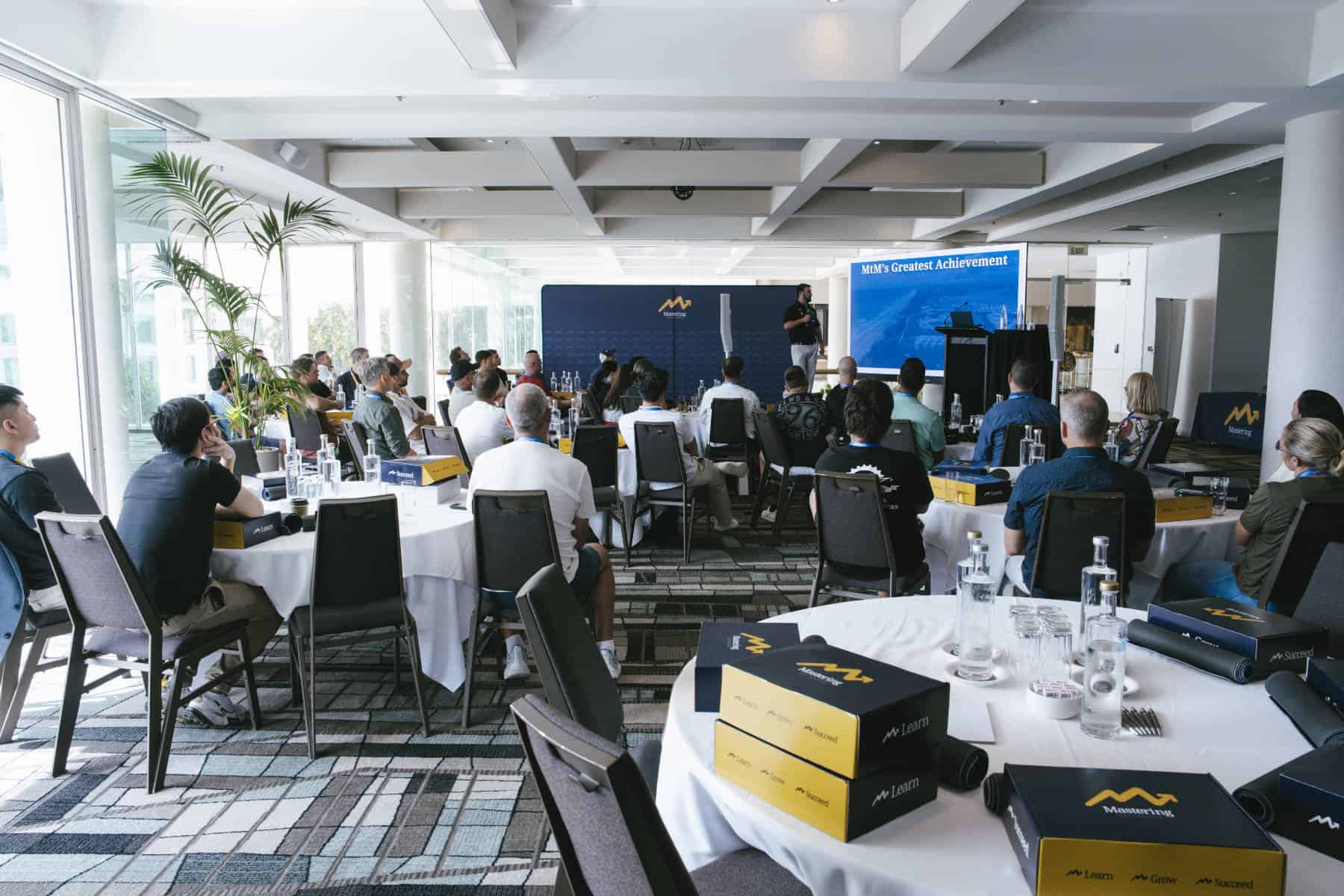
This event gives you the application. Transition from learning and theory mode to building your own trading plan that you can tweak and repeat in the real world.
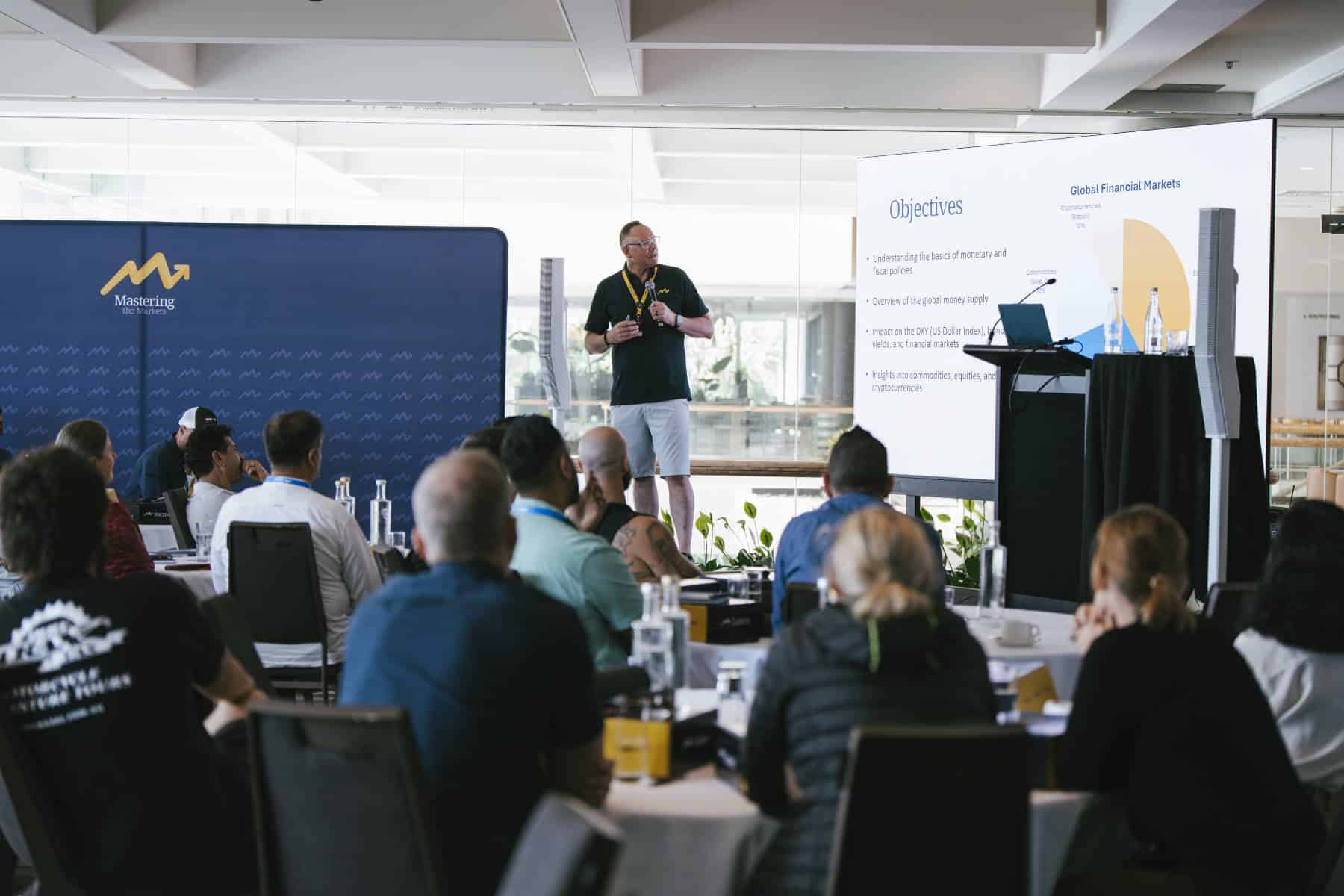
Every session is applied to a live market.
- A practical TEC101 recap – The core concepts you already know, worked through on live examples so they’re sharp and ready to use.
- Build the bull case and the bear case – Argue both sides of a trade, then use the evidence to decide where your stop loss and take profit levels sit. Live bullish-or-bearish exercises let you practise this with the room.
- Multi-timeframe entries and exits – Work down from the daily to the hourly to plan where you get in and where you get out.
- Risk and capital allocation – How much to put on a position, and how to protect your capital across all your trades as well as within each one.
- Review your trading journal – A method for analysing your journal to find patterns in what is working and what isn’t, so you keep learning after the event ends.
- Live charts and small-group tutoring – Hands-on chart application and small group tutoring, just like during the course but face-to-face instead of on-screen.
What you’ll walk away with:
- Work you can use on Monday
- Marked-up charts and a personal watchlist
- Hands-on experience building and defending a trade case
- Alerts set in your platform ready for the opportunities you’ve already identified.
- A repeatable process for learning from your journal so your progress continues once you’re home.
Everyone here has done the work you’ve done.
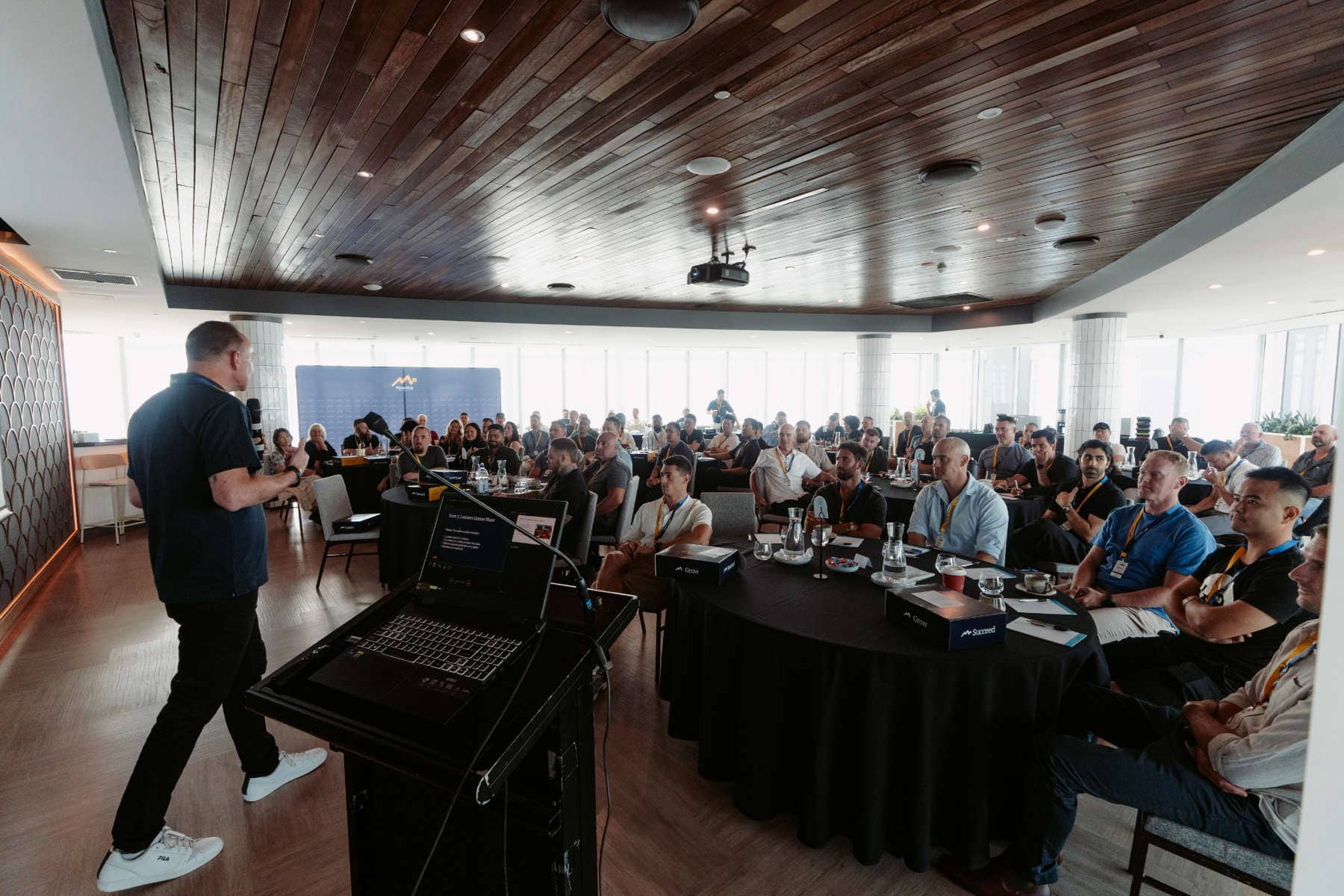
There’s no explaining the basics and no one starting from zero. Every person in the room has completed TEC101 or TEC201. They know the terms, they’ve studied the method, and they’re working through the same next stage as you.
Some of the most useful learning happens when the person next to you reads the same chart and builds the opposite case.
- Pressure-test your thinking. Present your trade case to people who will ask the right questions.
- See other approaches. Watch how other alumni read the same market, set their levels and manage risk.
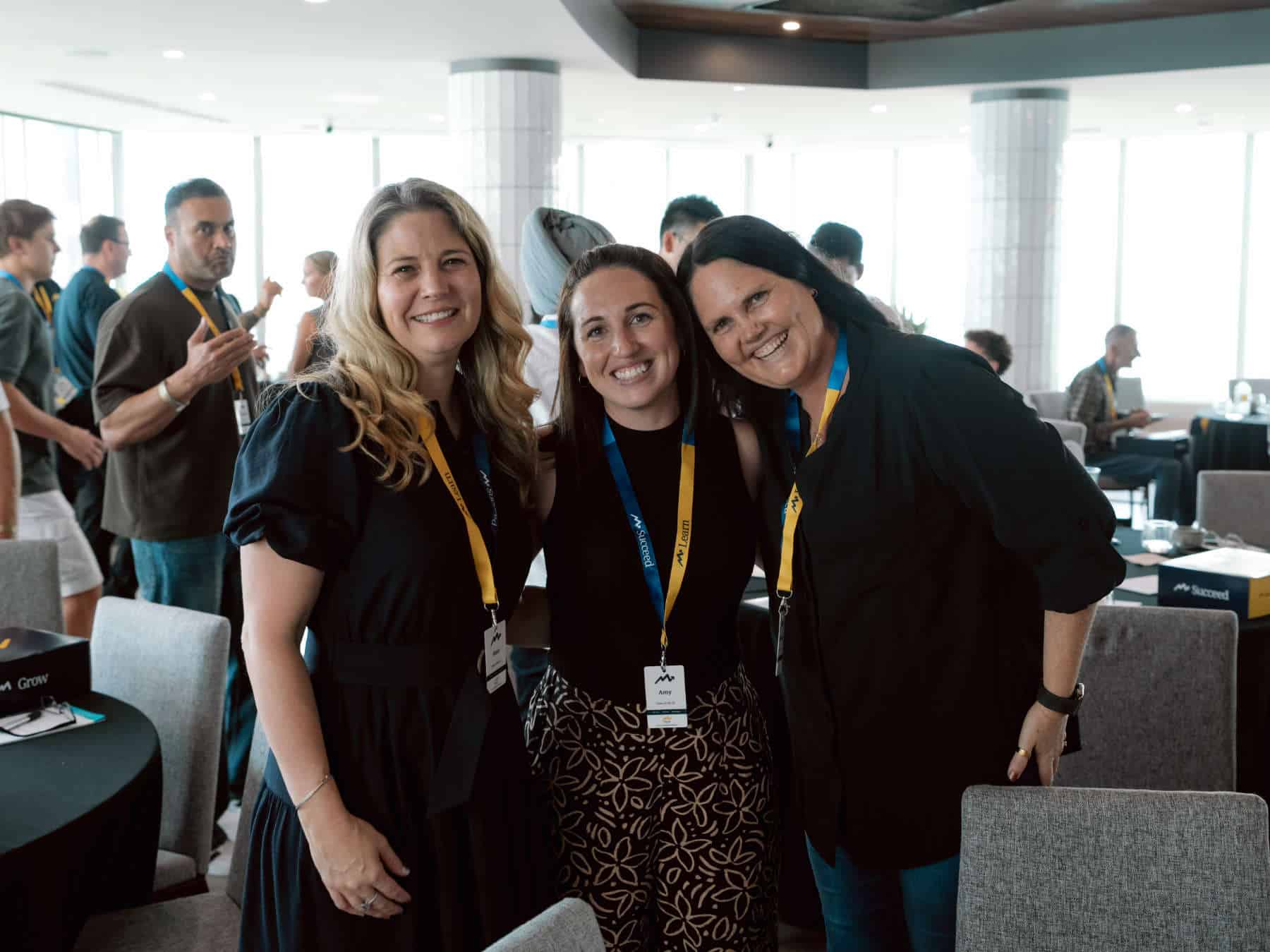
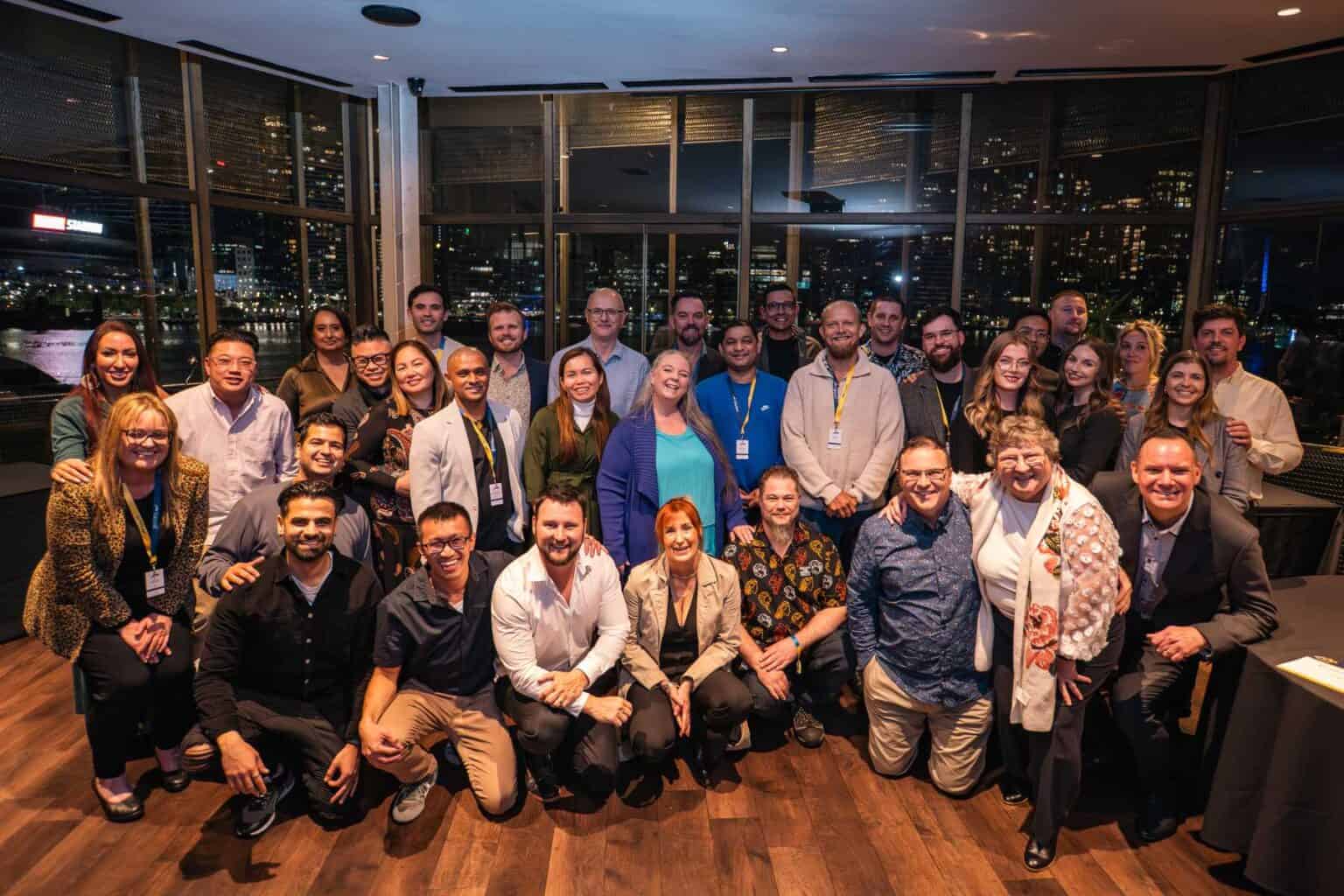
- Leave with your people. Trading can be a solitary practice. You’ll go home with peers you can compare notes with long after April.
- Start on Friday night. The social evening means you walk into Saturday’s workshop already knowing faces in the room, so the conversations go further, faster.
- Be in the room with the educators. Ask questions in real time, on your charts, with no chat box or replay in between.
You’ve already put in the time. This is where it starts to compound.
The course gave you the foundation. A focused day of applied practice, in a room full of peers you’ve already shared a drink with, is how that foundation turns into a process you trust and use.